How to Beat Procrastination: A Practical Guide That Actually Works
·
Updated: January 27, 2026
·8 min read
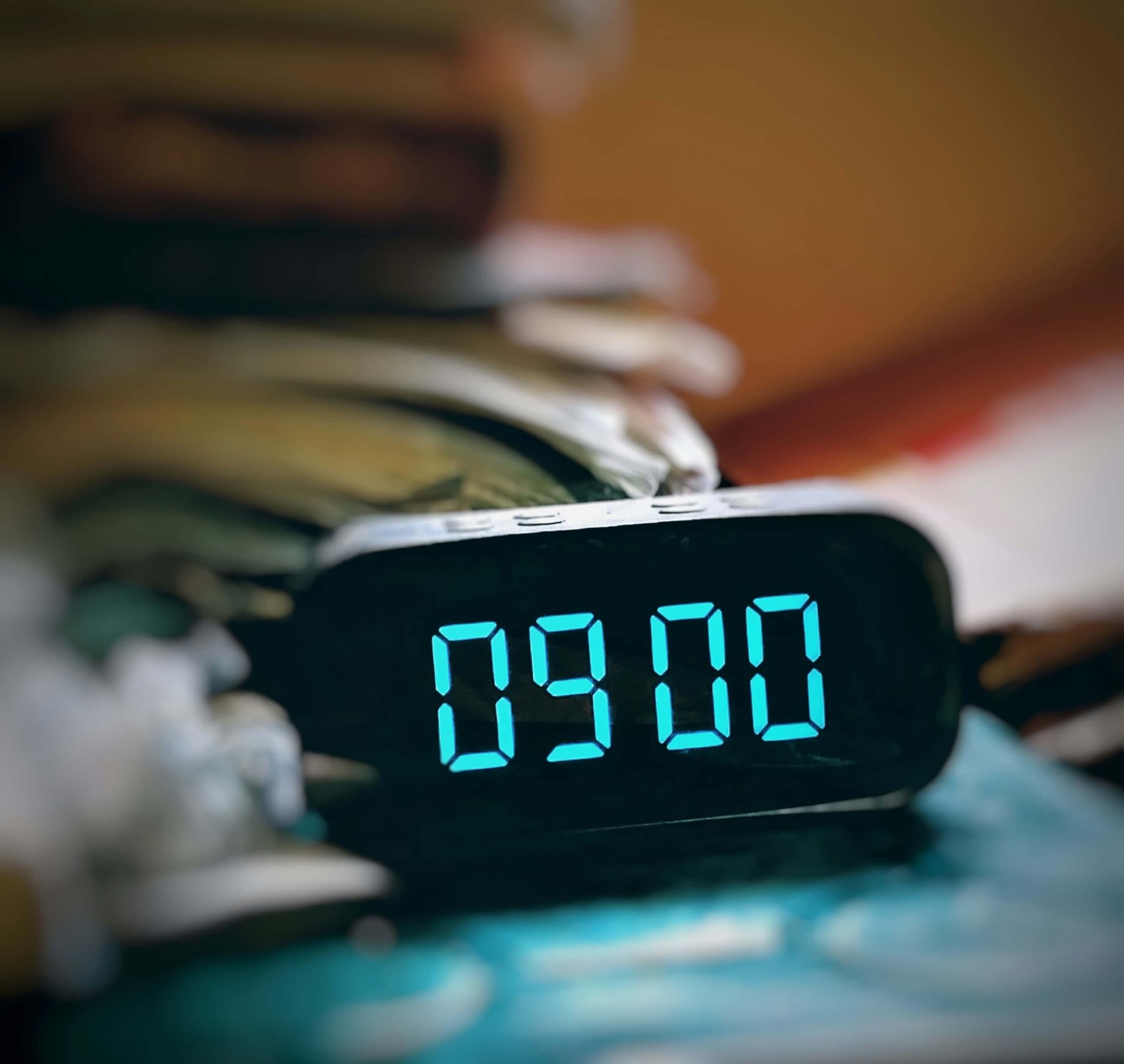
I have a confession.
Three years ago, I had a blog post due. Not a complicated one—just 1,500 words about productivity tips. I had two weeks to write it.
So naturally, I cleaned my apartment. Reorganized my bookshelf. Watched YouTube videos about "the best note-taking apps." Made elaborate to-do lists about making to-do lists.
The night before the deadline, I finally sat down at 11 PM, panicked, and wrote the whole thing in three hours fueled by anxiety and cold coffee.
Sound familiar?
If you've ever wondered how to beat procrastination, you're not alone. We all do it. But here's what I've learned since that panicked night: procrastination isn't a character flaw. It's a system problem. And system problems have system solutions.
Let me show you what actually works.

Shrink until it feels almost silly. "5 minutes" beats "2 hours" because you'll actually do it. Vague goals
"Work on project" is not actionable. "Write 200 words of the introduction" is. Relying on motivation
Motivation follows action, not the other way around. Start before you feel ready. Tool chasing
You don't need a new app. A basic notebook works. Stop researching and start doing. All-or-nothing thinking
5 minutes counts. A rough draft counts. Done is better than perfect. For more research-backed strategies, this Harvard Business Review article on overcoming procrastination offers additional perspective.
Start with 25 minutes (one Pomodoro). As your focus muscle builds, you can extend to 50 or 90 minutes. What if I miss a day?
Do 5 minutes the next day. Never miss twice. Consistency beats intensity. Is this just about willpower?
No—it's about systems. Willpower is unreliable. Good systems make the right behavior automatic. What if I don't feel motivated?
Start anyway. Motivation usually shows up after you begin, not before. The 5-minute rule helps here. Paper tracker or app?
Whatever you'll actually use daily. Paper is often faster and more visible.
Need help organizing your week to make space for this work? Or want to understand why systems beat goals? We've got you covered.
Why We Procrastinate (It's Not Laziness)
First, let's kill a myth: procrastination has nothing to do with being lazy. In fact, research from the American Psychological Association shows that procrastination is primarily an emotional regulation problem, not a time management one. Here's what's actually happening in your brain: 1. Your brain is present-biased. We're wired to prefer immediate rewards over future ones. Scrolling Instagram feels good right now. Writing that report feels good... eventually, maybe. 2. Uncertainty creates anxiety. When a task feels vague ("work on the project") or too big ("write a book"), your brain perceives it as threatening. So it avoids. 3. Friction tips the scales. Every small obstacle—finding the file, opening the app, remembering where you left off—adds resistance. Your brain calculates: "This is hard. Let me check email instead." The good news? Once you understand the mechanics, you can hack them.The Simple Framework to Beat Procrastination
After years of experimenting (and failing), I've found that beating procrastination comes down to four principles: 1. Clarity — One clear outcome and one daily action. Not five priorities. One. 2. Low Friction — Remove every obstacle between you and starting. Make the right action the easiest action. 3. Feedback — Track your progress visibly. Small wins create momentum. 4. Kindness — When you fail (you will), recover quickly instead of spiraling into guilt. These aren't just nice ideas—they're the foundation of the system I'm about to share. This connects directly to turning goals into systems rather than relying on willpower.7 Tactics to Beat Procrastination Today
Let's get practical. Here are the tactics that actually work:1. The 5-Minute Rule (Game Changer)
This single tactic changed everything for me. How it works: Commit to working on the task for just 5 minutes. That's it. After 5 minutes, you can stop guilt-free. Why it works: Starting is the hardest part. Once you're in motion, momentum takes over. I'd say 80% of the time, those "5 minutes" turn into 30+ minutes. Your script: "I'll just open the document and write one ugly sentence. Then I can stop."2. Implementation Intentions (If-Then Planning)
Decisions made in advance beat decisions made under pressure. How it works: Write a specific trigger and response: "If [situation], then I will [action]." Example: "If it's 9:30 AM and I've finished coffee, then I start one 25-minute writing sprint." Research shows this simple technique can double your follow-through rate. Put your if-then statement on a sticky note where you'll see it.3. Environment Design
Your environment shapes your behavior more than your willpower ever will. Make the good behavior easy:- Keep your work tools ready and visible
- Open the document you need before you close your laptop
- Prepare your workspace the night before
- Put your phone in another room (not just face-down)
- Use website blockers during focus time
- Log out of social media on your browser
4. The Pomodoro Technique
Timers create urgency and make work feel finite. How it works:- Set a timer for 25 minutes
- Work on ONE task with zero distractions
- Take a 5-minute break
- Repeat. After 4 rounds, take a longer break (15-30 min)
5. Shrink the Task
Big tasks feel threatening. Small tasks feel doable. Instead of: "Write the report" Try: "Write three bullet points for the intro" Instead of: "Exercise" Try: "Put on workout clothes" The goal isn't to finish—it's to start. Once you start, continuing is easy.6. Never Miss Twice
This rule saved my consistency. You will miss days. Life happens. The danger isn't missing once—it's the spiral that follows. "I already ruined my streak, might as well skip tomorrow too..." The rule: If you miss one day, the next day is non-negotiable—even if it's just 5 minutes. Your script: "If I miss today, tomorrow I do 5 minutes at 9:30 AM—no exceptions."7. Reward the Finish
Your brain repeats what gets rewarded. How it works: Create a small ritual for completing your work session.- Mark a visible checkmark on your tracker
- Take a short walk
- Make your favorite tea
- Send a "done" message to an accountability partner
Your 7-Day Anti-Procrastination Challenge
Reading about beating procrastination is easy. Doing it is harder. So here's a practical challenge:Day 1: Set Up
- Choose ONE project you've been avoiding
- Define your daily input (e.g., "25 minutes of writing")
- Write your If-Then statement
- Prepare your workspace
Day 2: First Session
- Do one Pomodoro (25 minutes)
- Mark it done visibly
- Note any friction you encountered
Day 3: Remove One Friction
- Fix the biggest obstacle from yesterday
- Do your daily session
- Share a small win with someone
Day 4: Chain Two Sessions
- Do 2 x 25-minute sprints on the same task
- Write tomorrow's first action before you stop
Day 5: Accountability
- Tell someone what you'll complete today
- Send them proof when done
Day 6: Practice the Floor
- Busy day? Do ONLY 5 minutes
- The goal is showing up, not heroics
Day 7: Review
- What worked this week?
- What created friction?
- What will you change next week?
The Energy Connection
Here's something most procrastination advice ignores: you can't beat procrastination when you're exhausted. Procrastination spikes when:- You're sleep-deprived
- Your blood sugar is crashing
- You're trying to do hard work at the wrong time of day
- Do your hardest work during your peak energy hours (morning for most people)
- Protect your sleep—it's not negotiable
- Take real breaks with movement and water
- Don't schedule deep work right after lunch
Common Mistakes (And How to Avoid Them)
Going too bigShrink until it feels almost silly. "5 minutes" beats "2 hours" because you'll actually do it. Vague goals
"Work on project" is not actionable. "Write 200 words of the introduction" is. Relying on motivation
Motivation follows action, not the other way around. Start before you feel ready. Tool chasing
You don't need a new app. A basic notebook works. Stop researching and start doing. All-or-nothing thinking
5 minutes counts. A rough draft counts. Done is better than perfect. For more research-backed strategies, this Harvard Business Review article on overcoming procrastination offers additional perspective.
Frequently Asked Questions
How long should a work session be?Start with 25 minutes (one Pomodoro). As your focus muscle builds, you can extend to 50 or 90 minutes. What if I miss a day?
Do 5 minutes the next day. Never miss twice. Consistency beats intensity. Is this just about willpower?
No—it's about systems. Willpower is unreliable. Good systems make the right behavior automatic. What if I don't feel motivated?
Start anyway. Motivation usually shows up after you begin, not before. The 5-minute rule helps here. Paper tracker or app?
Whatever you'll actually use daily. Paper is often faster and more visible.
Start Today (Seriously)
Here's my challenge to you: Right now, before you close this tab:- Pick ONE thing you've been procrastinating on
- Write down the smallest possible next action
- Set a timer for 5 minutes
- Start
Need help organizing your week to make space for this work? Or want to understand why systems beat goals? We've got you covered.
Was this article helpful?
Related Posts
Productivity· 8 min
How to Deep Work and Focus: Time-Blocking and Pomodoro
Master deep work with time-blocking and the Pomodoro technique. Learn how to eliminate distractions and produce your best work in focused sessions.
Read
Productivity· 10 min
How to Start One Focus Block Before 10:00 a.m
Reclaim your mornings with one protected focus block before 10 AM. A 20-minute setup that creates daily wins and stops the reactive spiral.
Read

Productivity· 8 min
The Single-Tab Rule: How Closing 47 Browser Tabs Got My Focus Back
47 open tabs is not a productivity system—it's a panic attack with a bookmark bar. Here's the one-rule reset that fixed my focus and what it actually changes.
Read

Productivity· 8 min
My Deep Work Toolkit: 7 Tools I Actually Use to Stay Focused
These are the 7 tools I rely on every day for deep work—from noise-canceling headphones to a plain notebook. No fluff, just what actually helps me focus.
Read
Explore more topics: